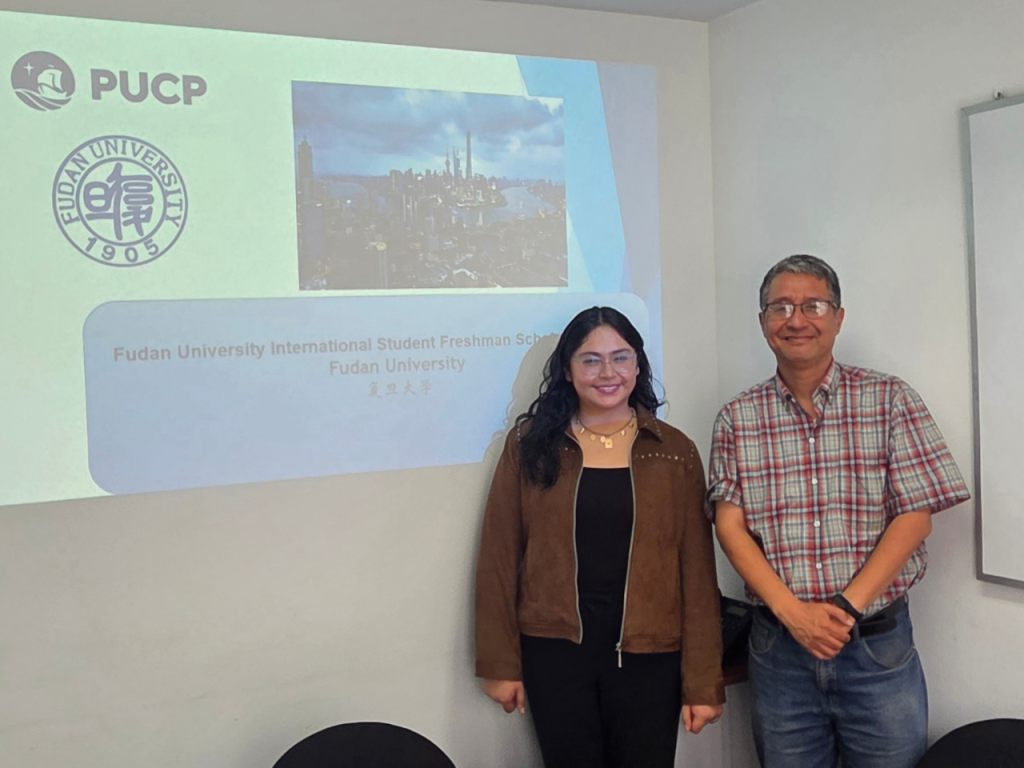





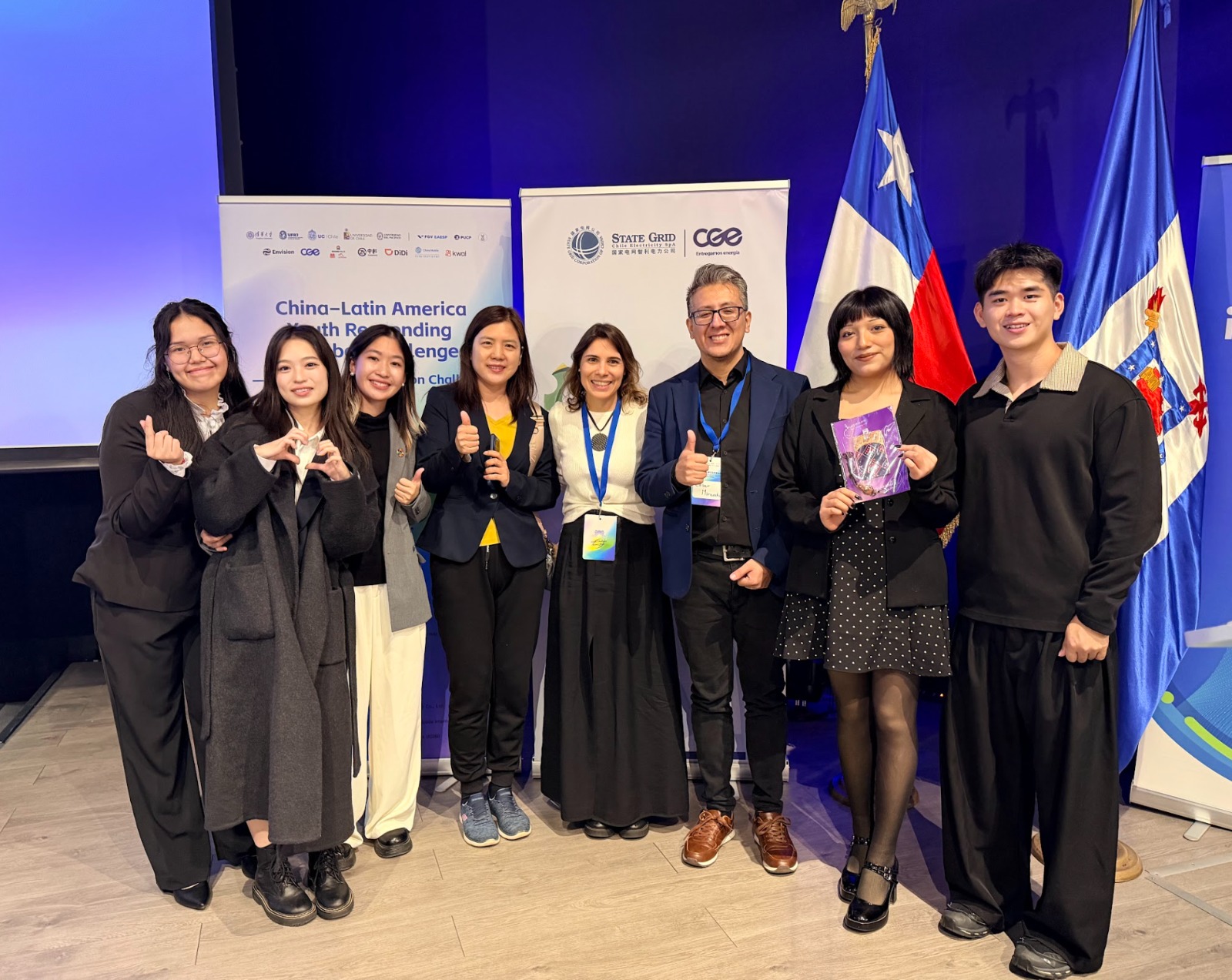
Our delegation of PUCP students was accompanied by Camila Braga, a faculty member from the International Relations Section of the Faculty of Social Sciences, and César Miranda, a representative of the Asia Relations Office of the Academic Directorate for Institutional Relations (DARI). During his participation, Miranda also held discussions regarding the organization of the 2027 edition, in which we seek to further consolidate our participation.
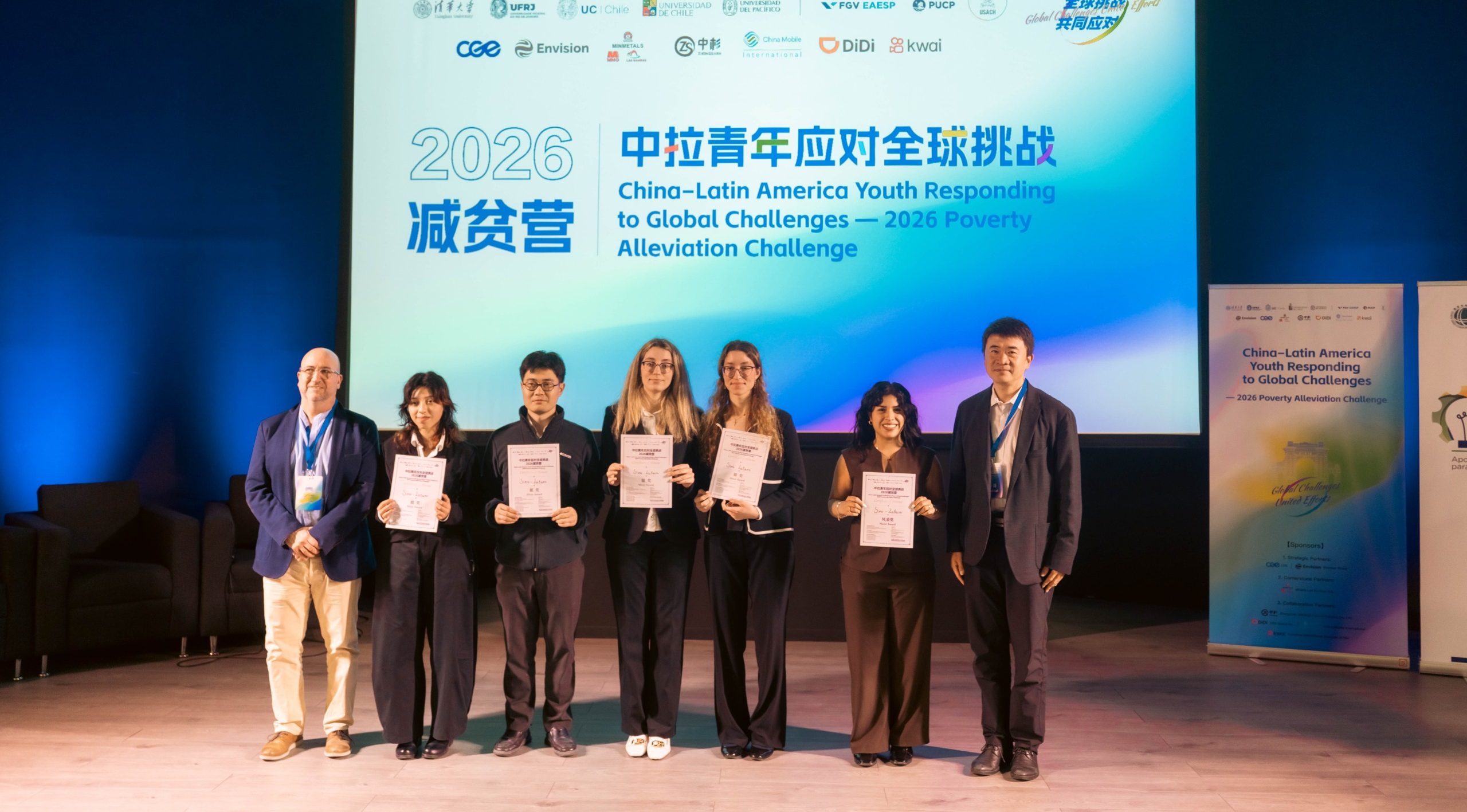
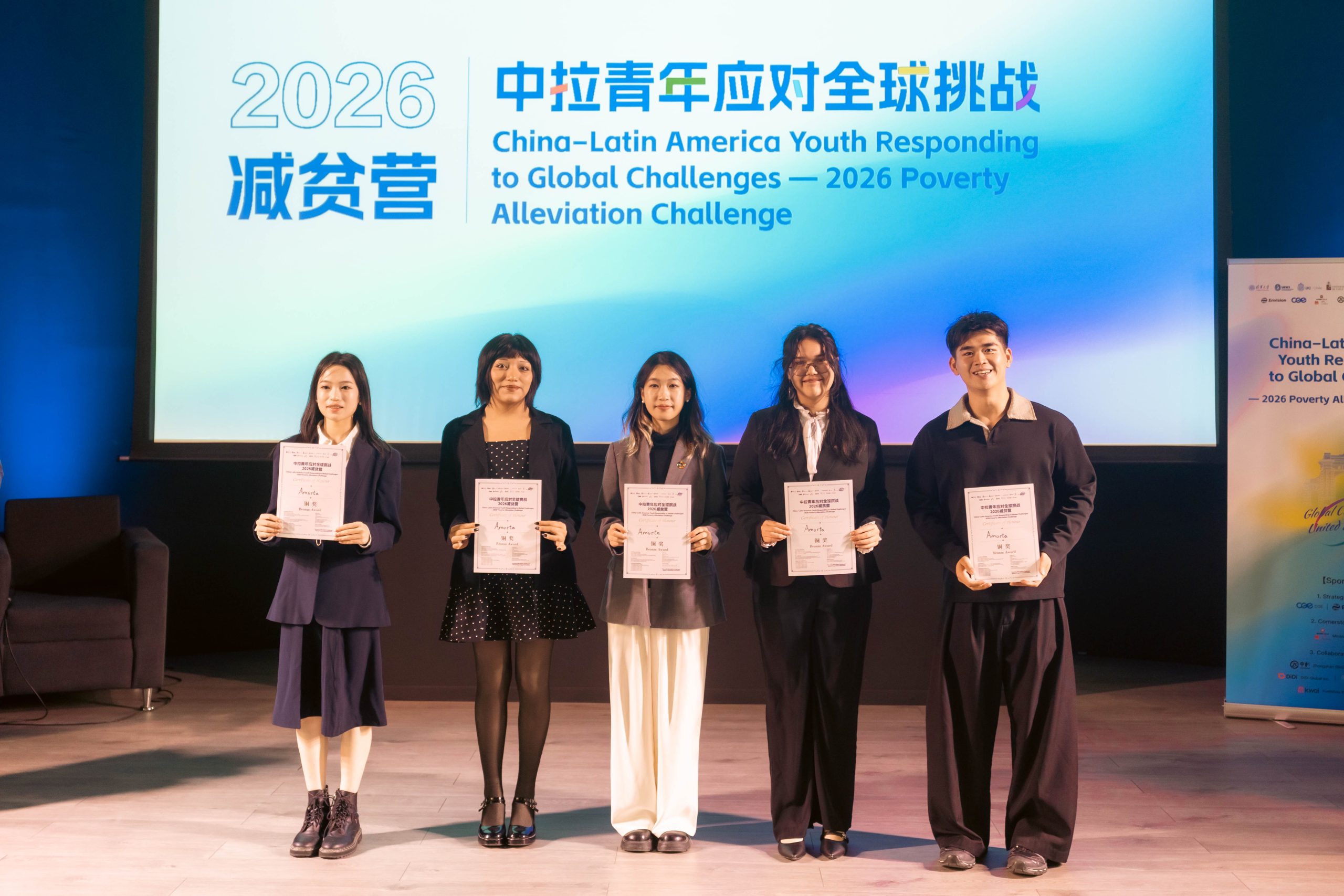
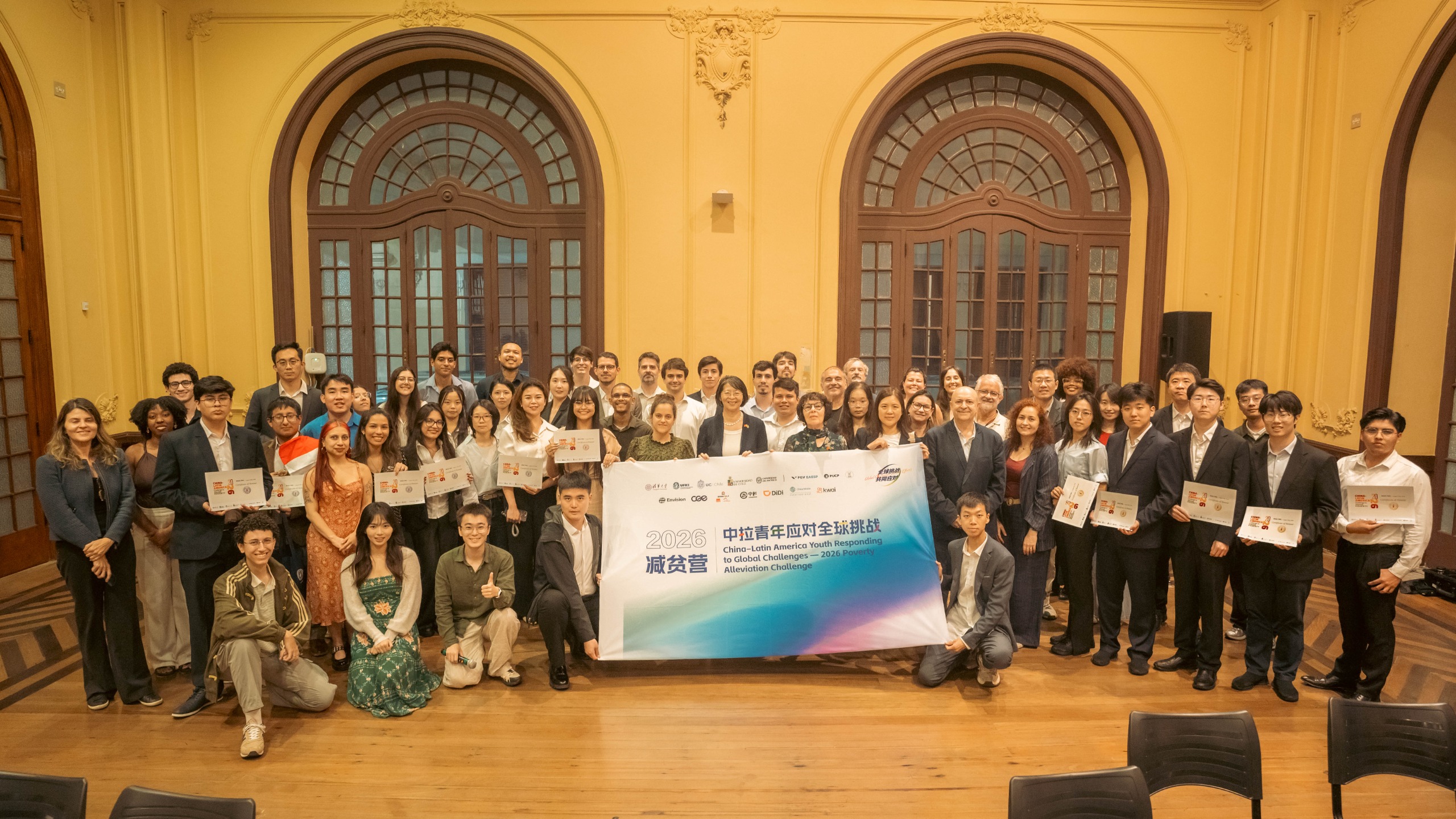
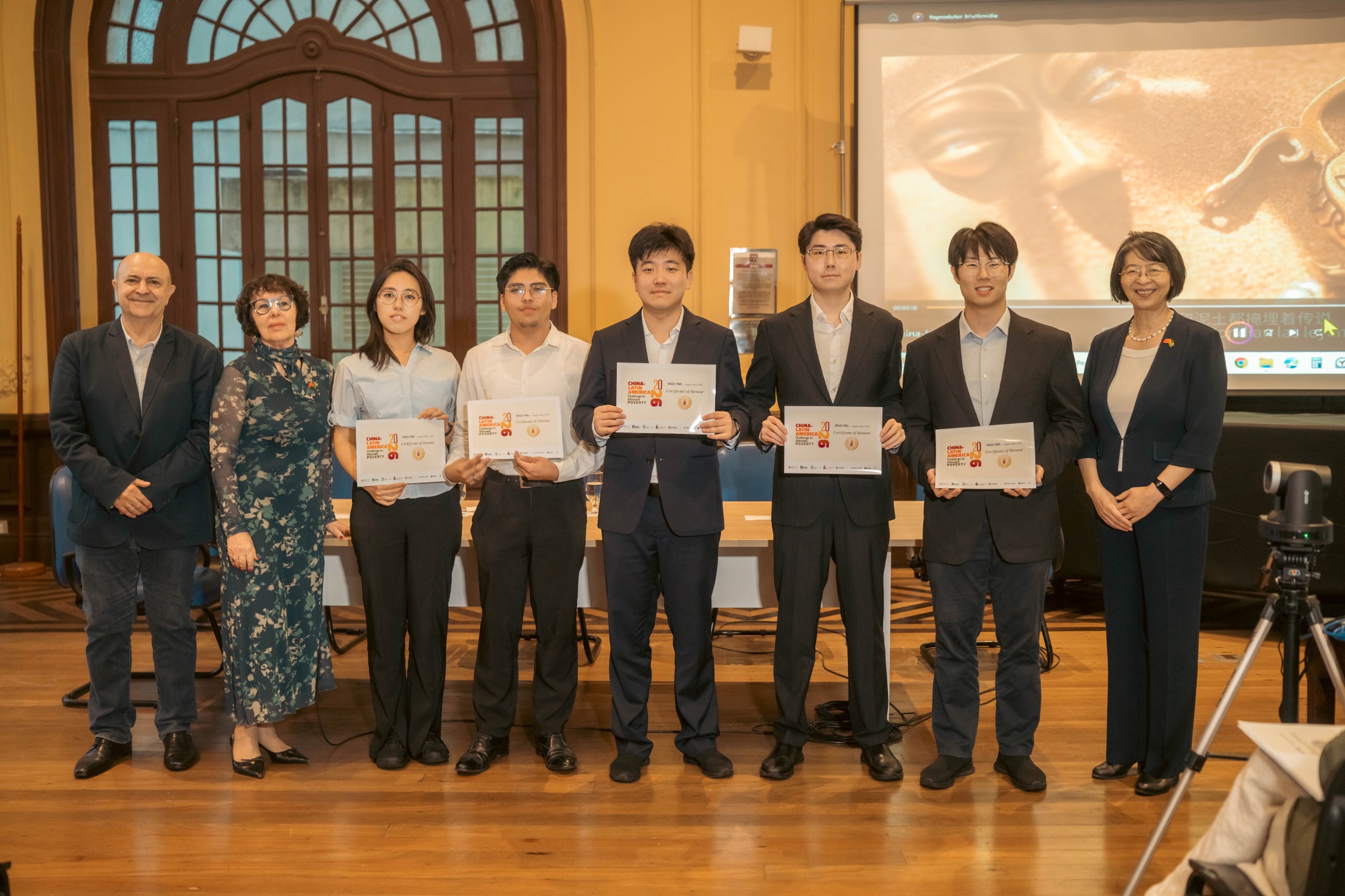
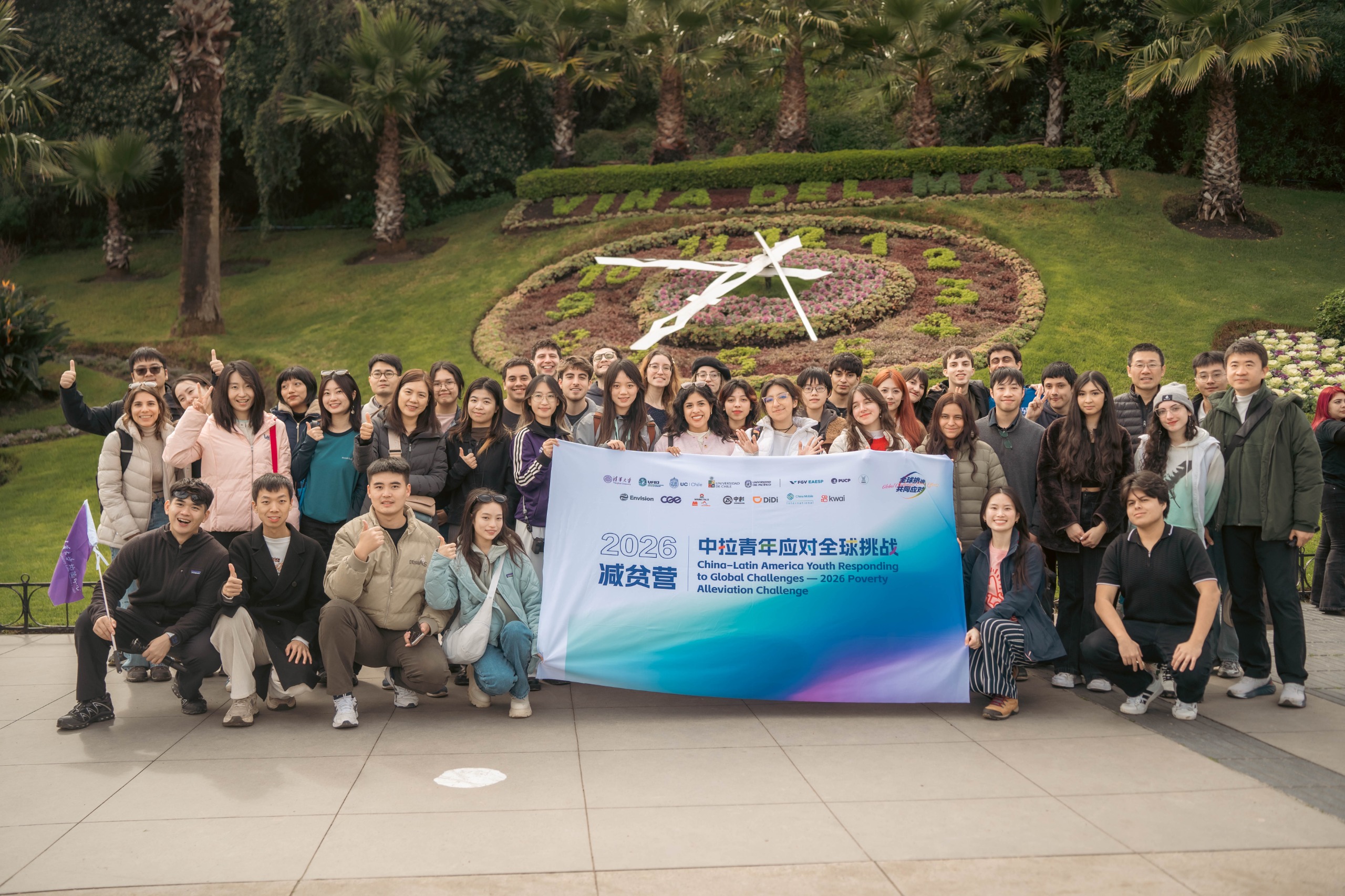
The challenge was held in two stages: a preliminary round, conducted in June, and an international final, with Brazil hosting the event from August 12 to 14 and Chile from August 17 to 19. Among the teams that advanced to this stage, three teams featuring PUCP students stood out by winning gold, silver, and bronze medals: RAÍCES, which won the gold medal in Brazil; SINO-LATAM Streamline, which won the silver medal in Chile; and AMURTA, which won the bronze medal, also in Chile.
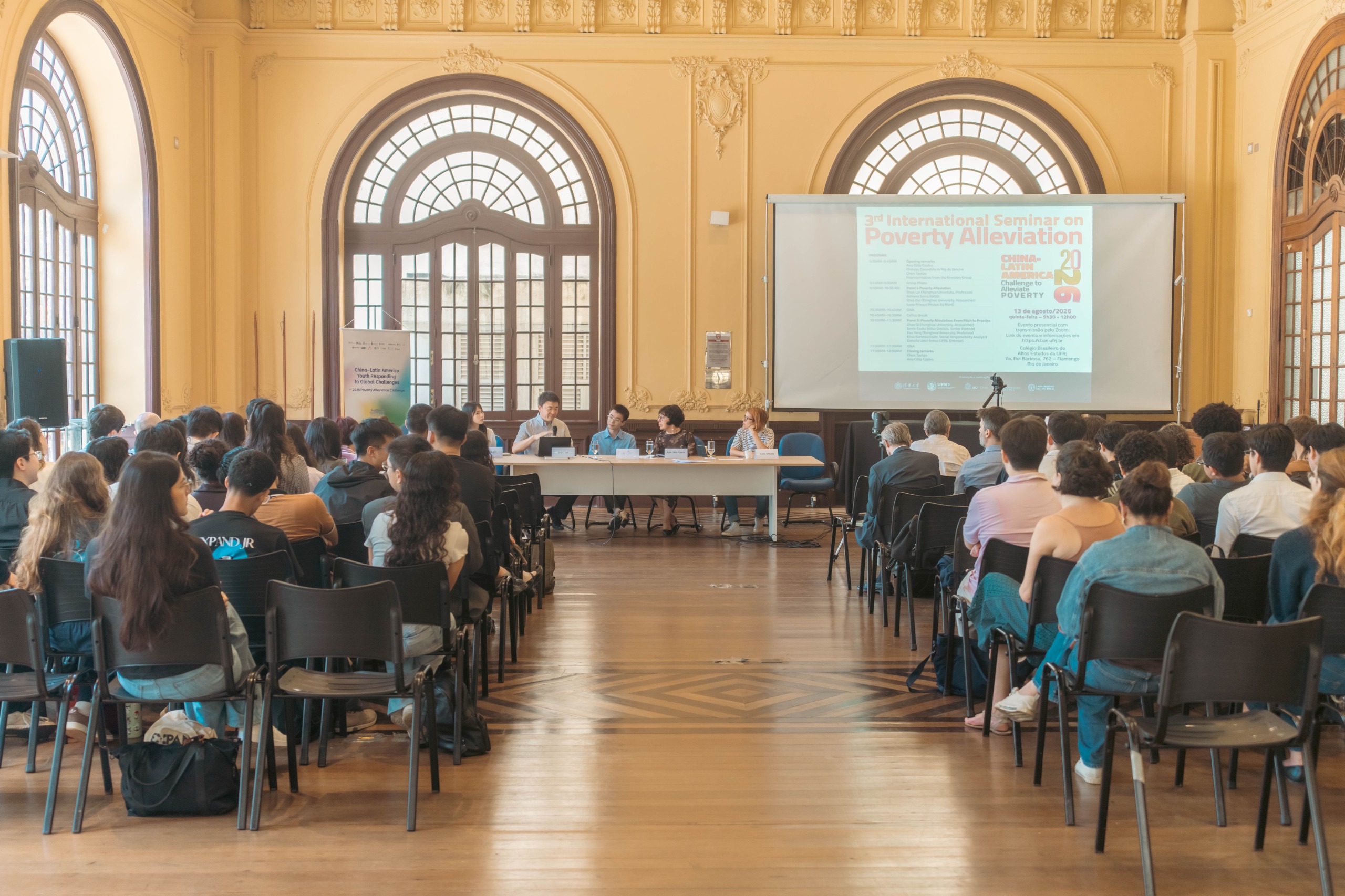
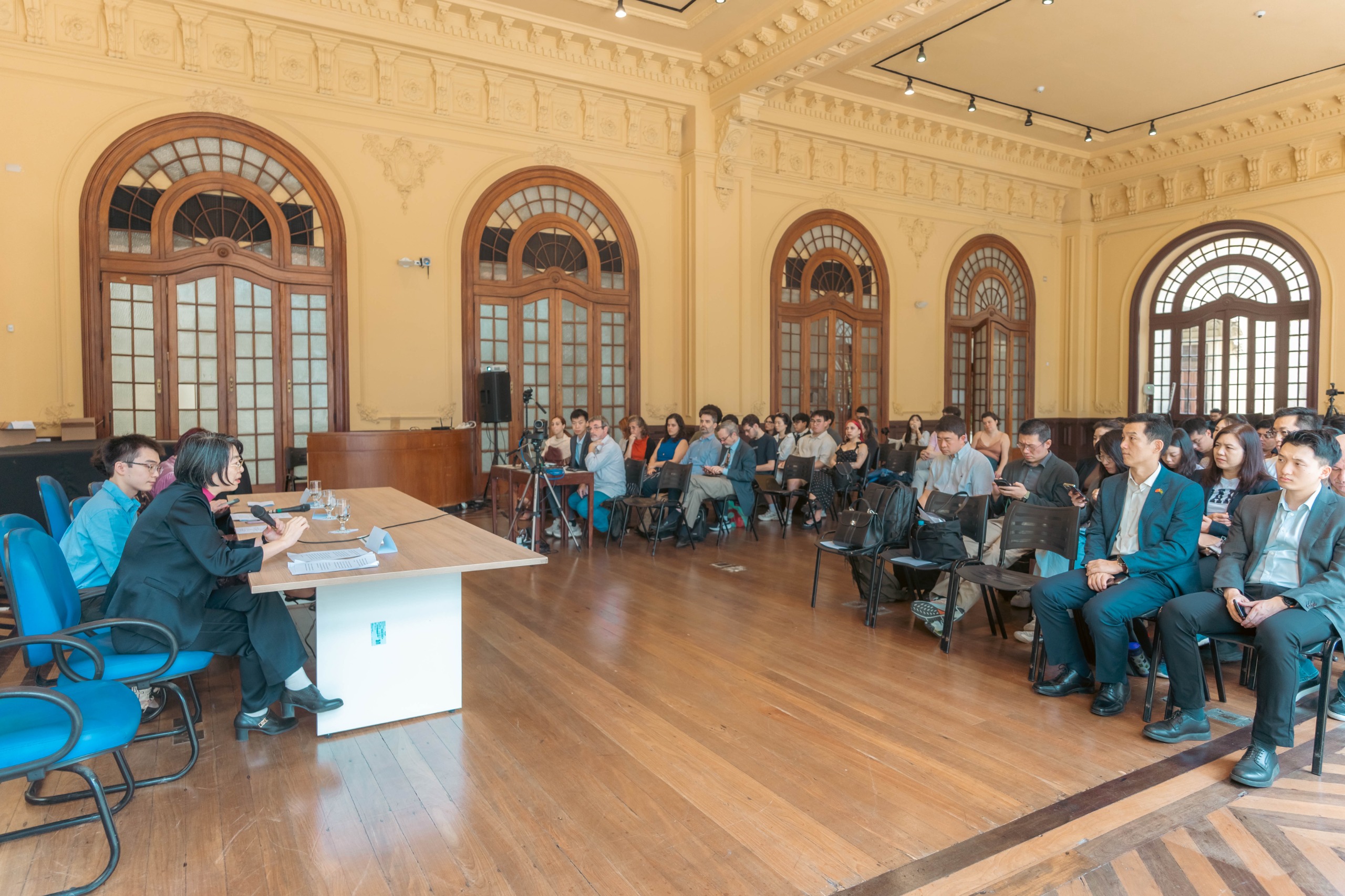
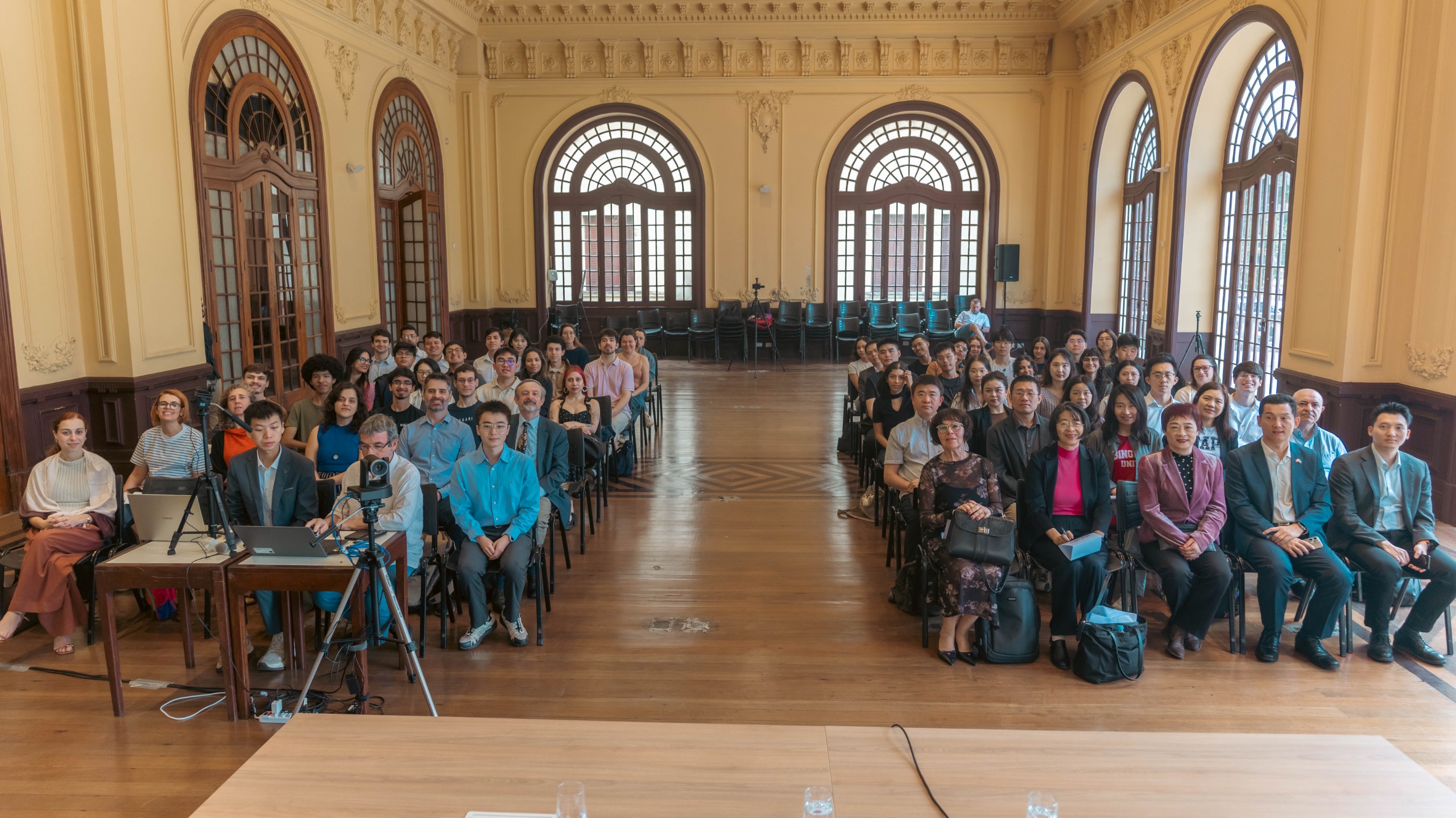
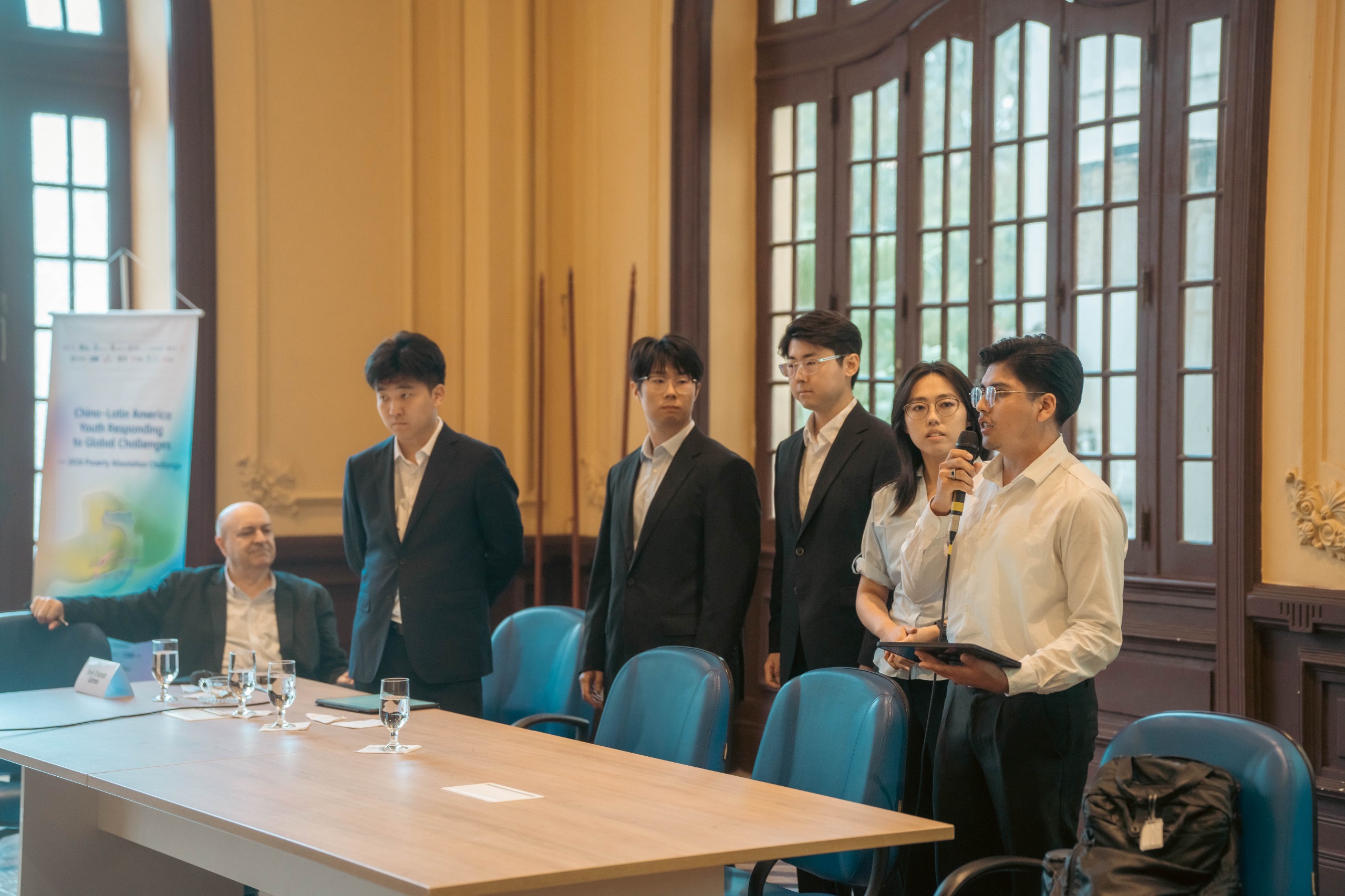
The final in Brazil was held at the Universidade Federal do Rio de Janeiro (UFRJ), where teams took part in integration activities, field research, seminars on poverty alleviation, mentoring sessions, and presentations of their proposals before a specialized jury.
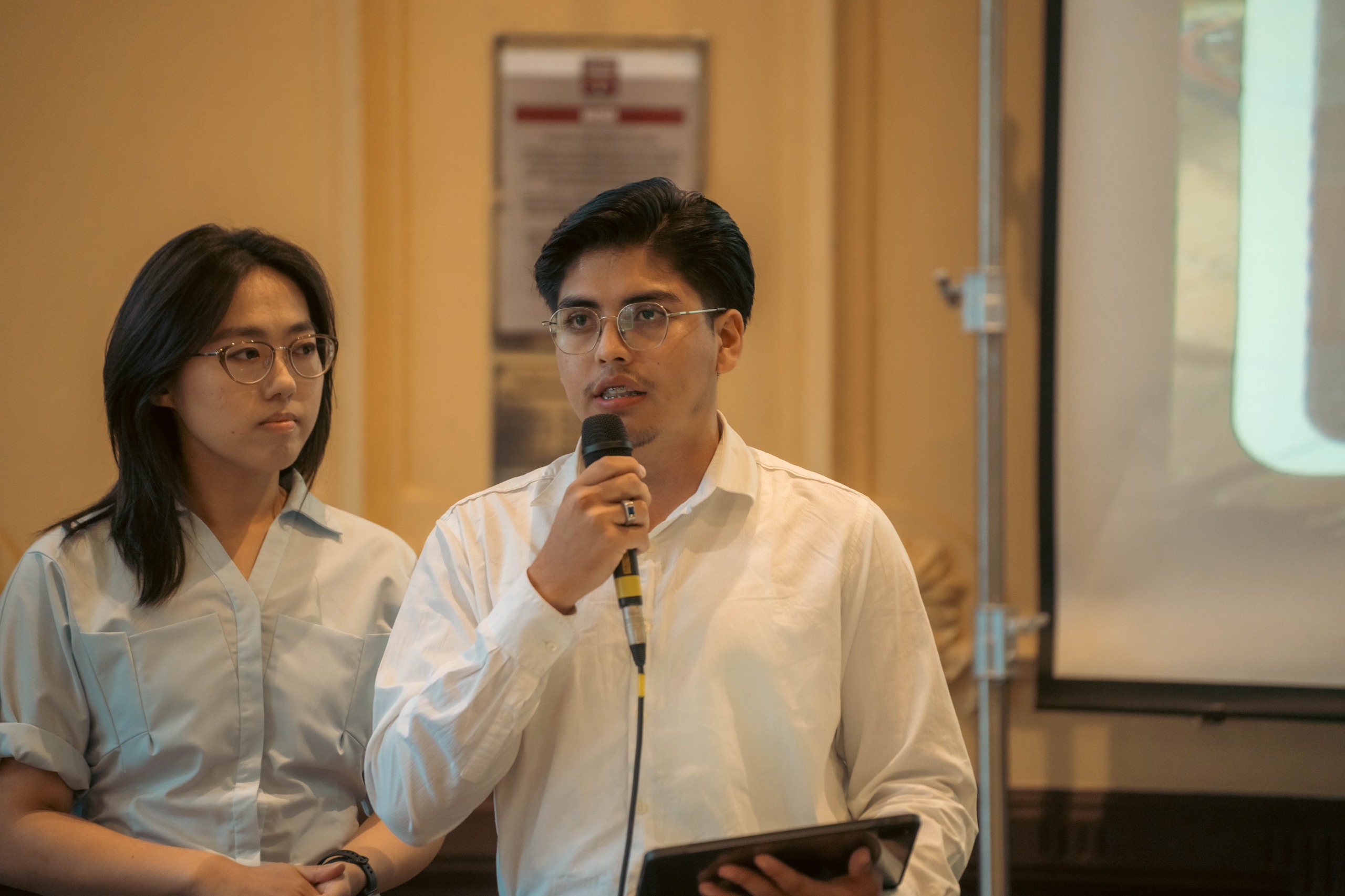
The transnational team RAÍCES—an acronym for Resilient Andean Income through Community Enterprises and Supply Chains—was made up of four students from Tsinghua University and José de Jesús Escobar Quiroz, our student from the Accounting program. The team was awarded the gold medal.
The team used the Sacha Tarpuy community forestry project in Apurímac as its case study and developed a proposal aimed at supporting 34 farming communities in their transition toward self-sustaining, community-owned livelihood systems. The initiative responds to the need to anticipate the planned closure of mining operations in the area around 2039 and proposes alternatives to reduce communities’ economic dependence on mining.
As part of its proposal, the team seeks to improve the production, processing, and commercialization of wild mushrooms harvested by communities connected to Las Bambas, through the formalization and expansion of production and its subsequent industrialization. The initiative aims to generate higher incomes for local communities, strengthen their economic autonomy, create opportunities to address youth migration, and recognize the role of women who are currently excluded from economic activity.
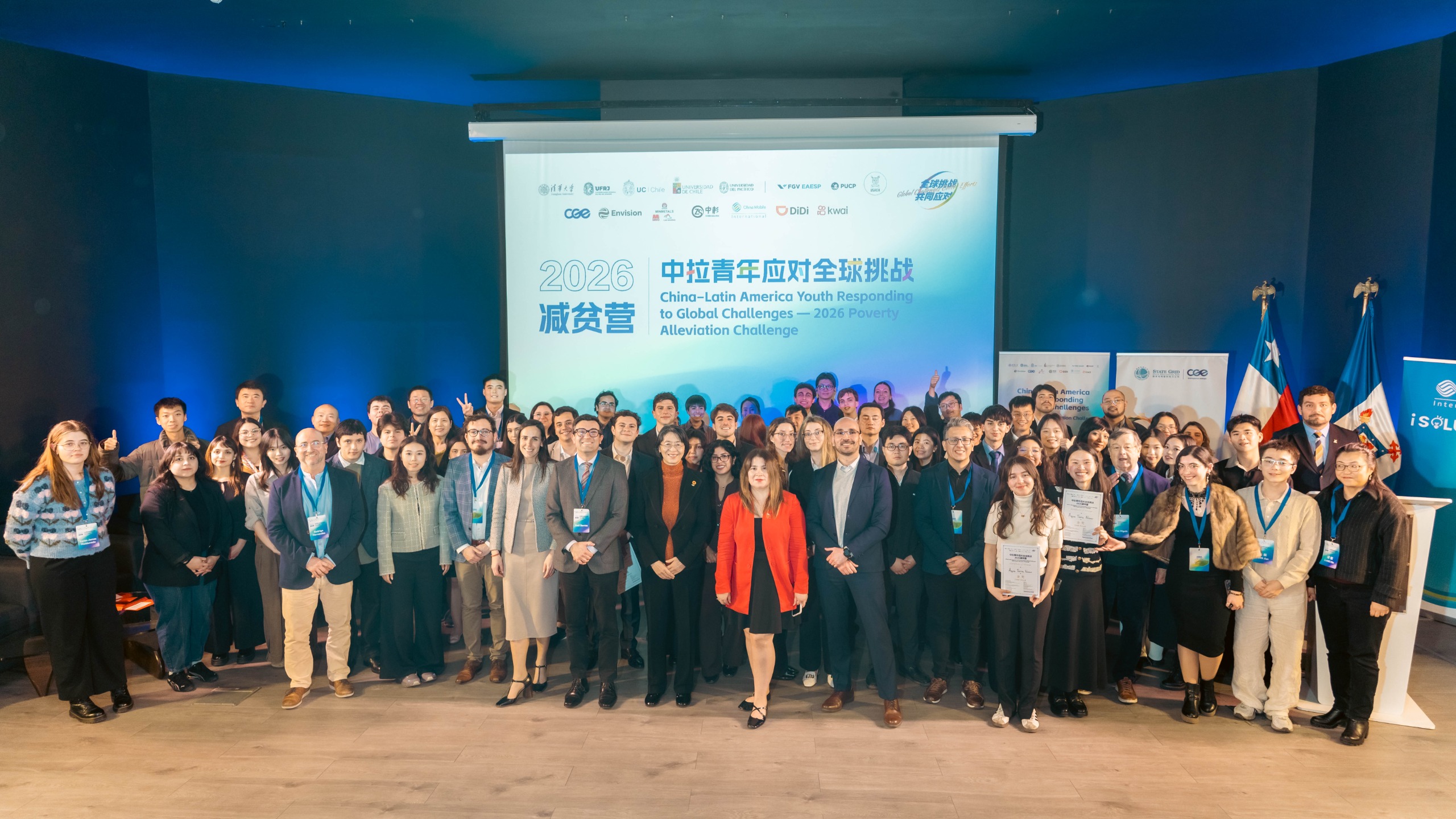
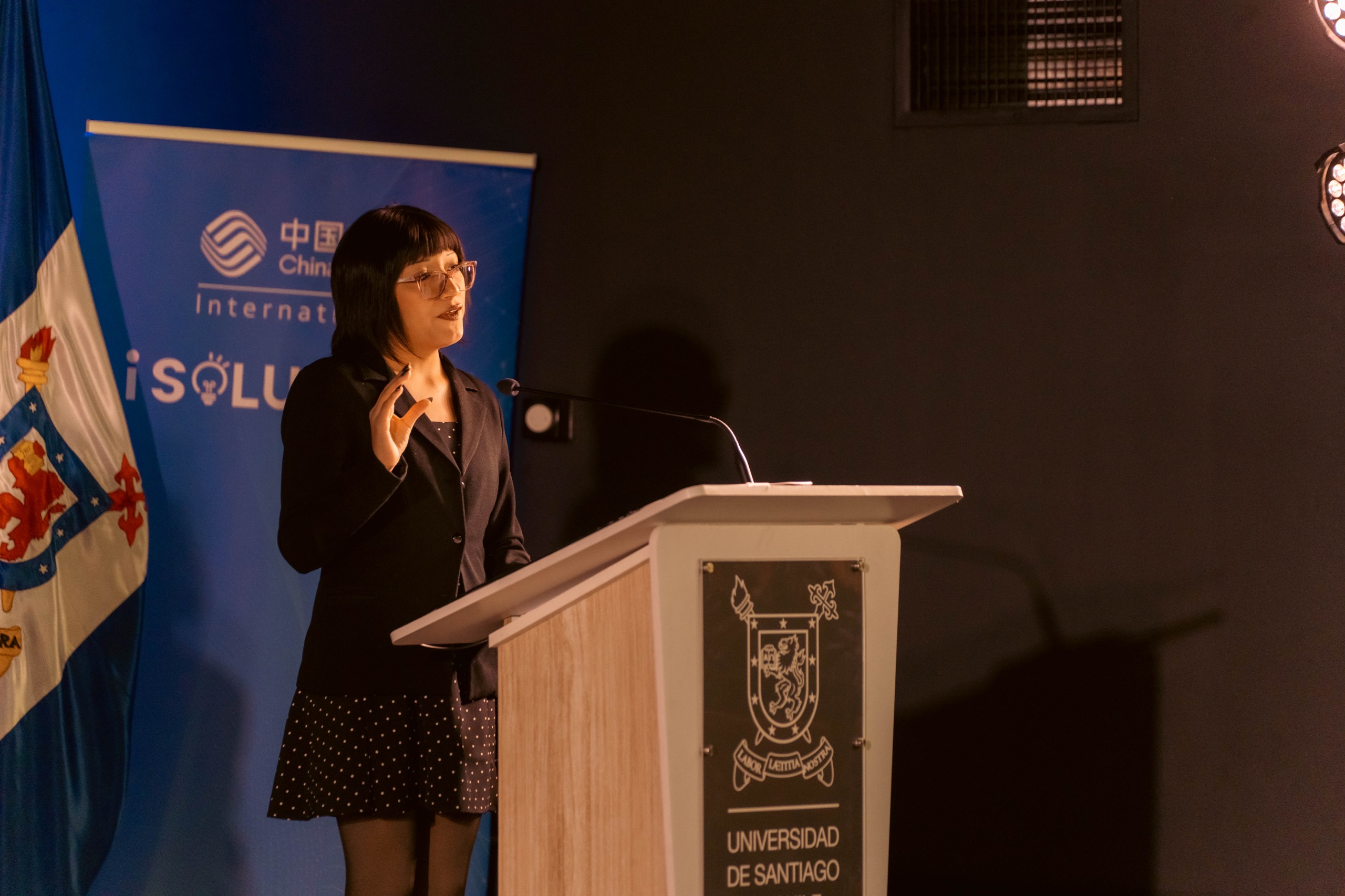
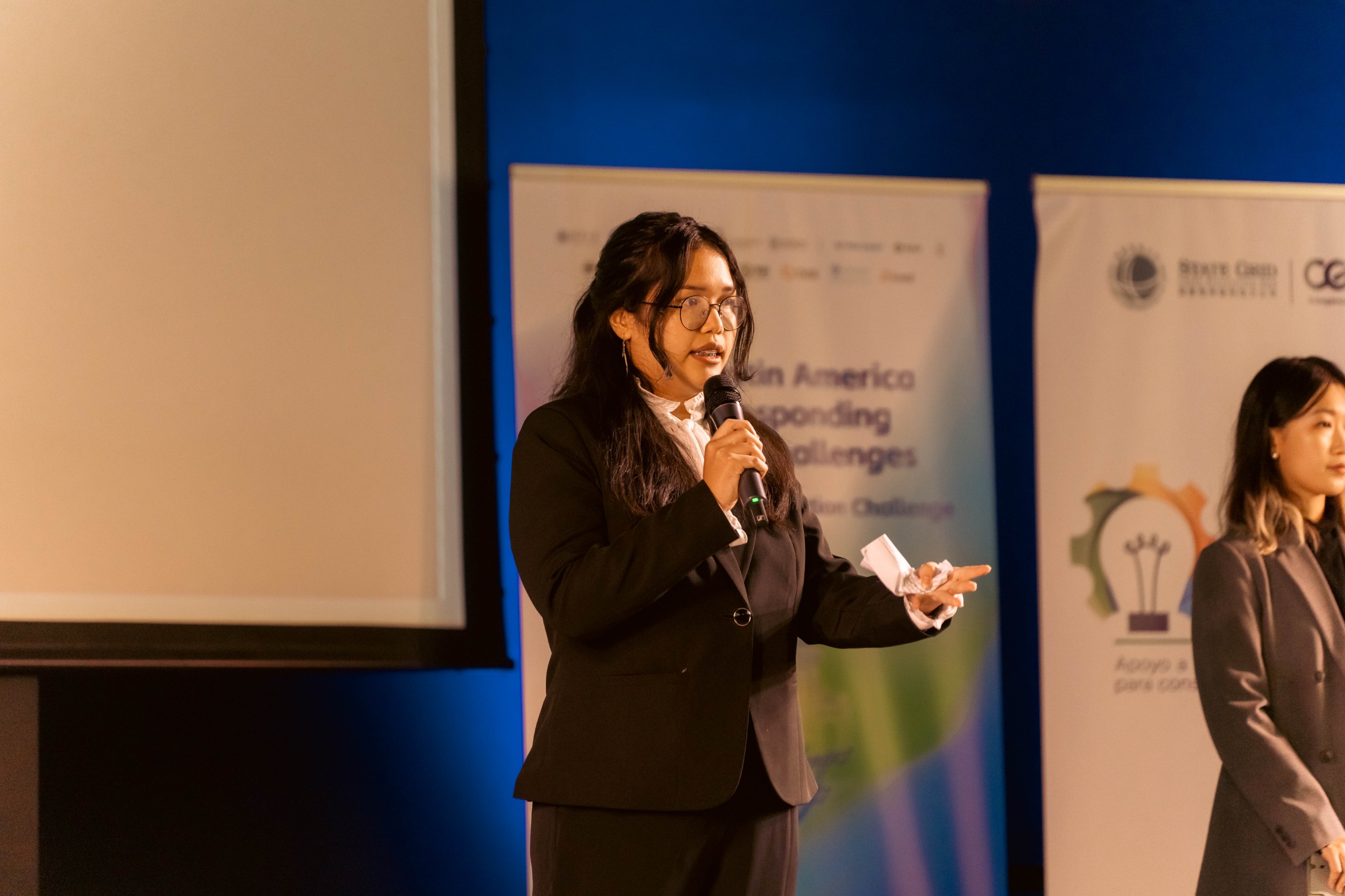
The Chilean final was hosted across the Universidad de Chile, Pontificia Universidad Católica de Chile, and Universidad de Santiago de Chile. Participants took part in integration activities, a field visit to the Institute of Nutrition and Food Technology (INTA), an academic seminar, and mentoring sessions to further strengthen their finalist proposals.
At this stage, the SINO-LATAM Streamline team, which included PUCP student Nicole Aparcana Alvarado, from the Industrial Design program, alongside students from Tsinghua University, Universidade Federal do Rio de Janeiro (UFRJ), and Universidad de Chile, was awarded the silver medal.
The project proposes developing refrigeration technology and environmental monitoring tools for artisanal fishers in Manaus, Brazil, with the aim of improving their access to markets and price information. The team is currently seeking investors to bring the proposal to the implementation stage.
Meanwhile, the AMURTA team received the bronze medal. The team included our students Victoria Anamaris Martínez Cáceres, from the Sociology program, and Adriana Chen Xi López Xie, from the International Relations program, together with students from Tsinghua University.
Their proposal focuses on the digitalization and strengthening of marketing capabilities among artisans in Hualhuas, in the Mantaro River basin in Junín. To achieve this, the team proposes adapting successful rural development models from China to the Peruvian context, with the goal of strengthening the artisans’ productive and commercial capacities.
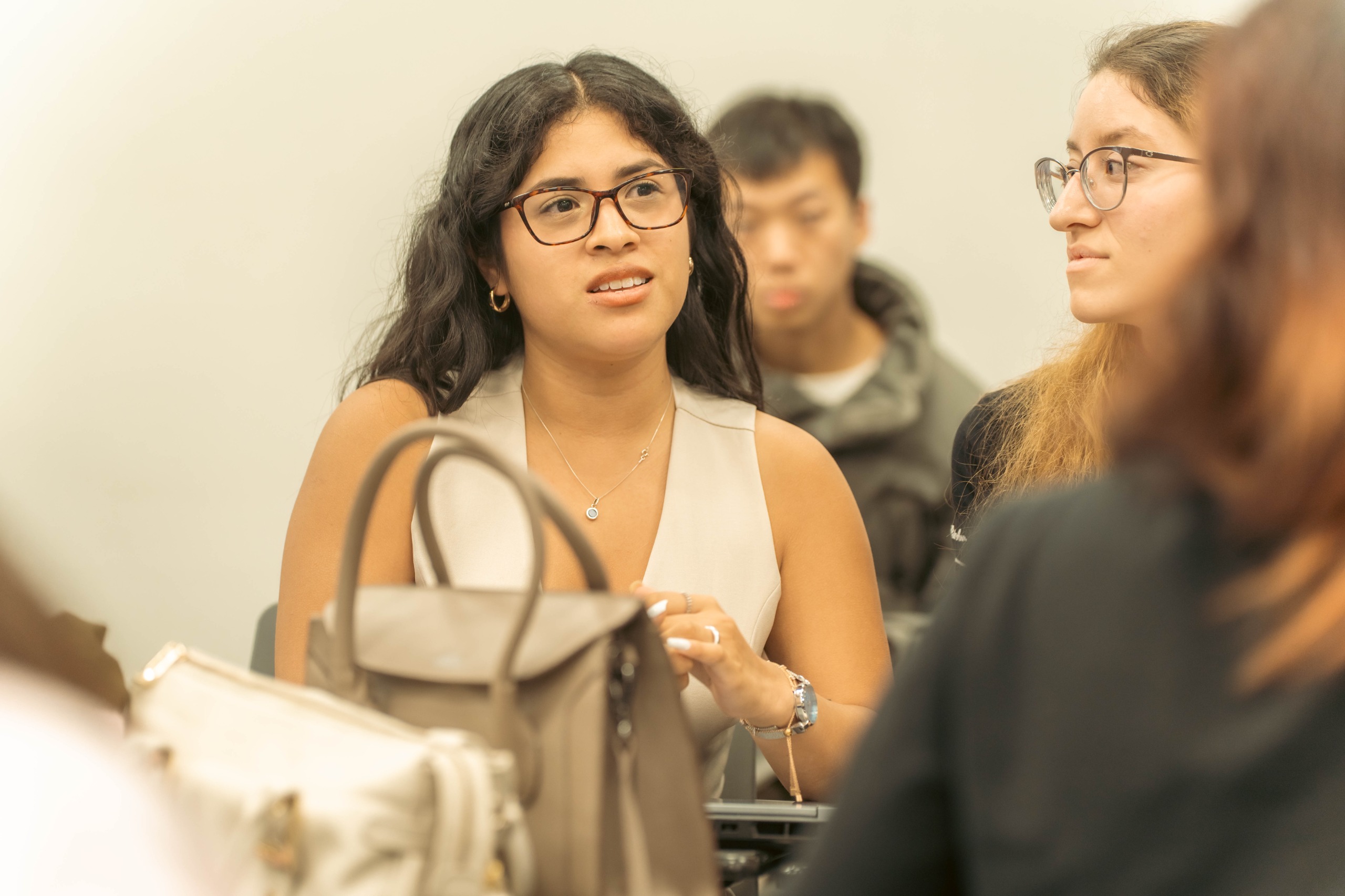
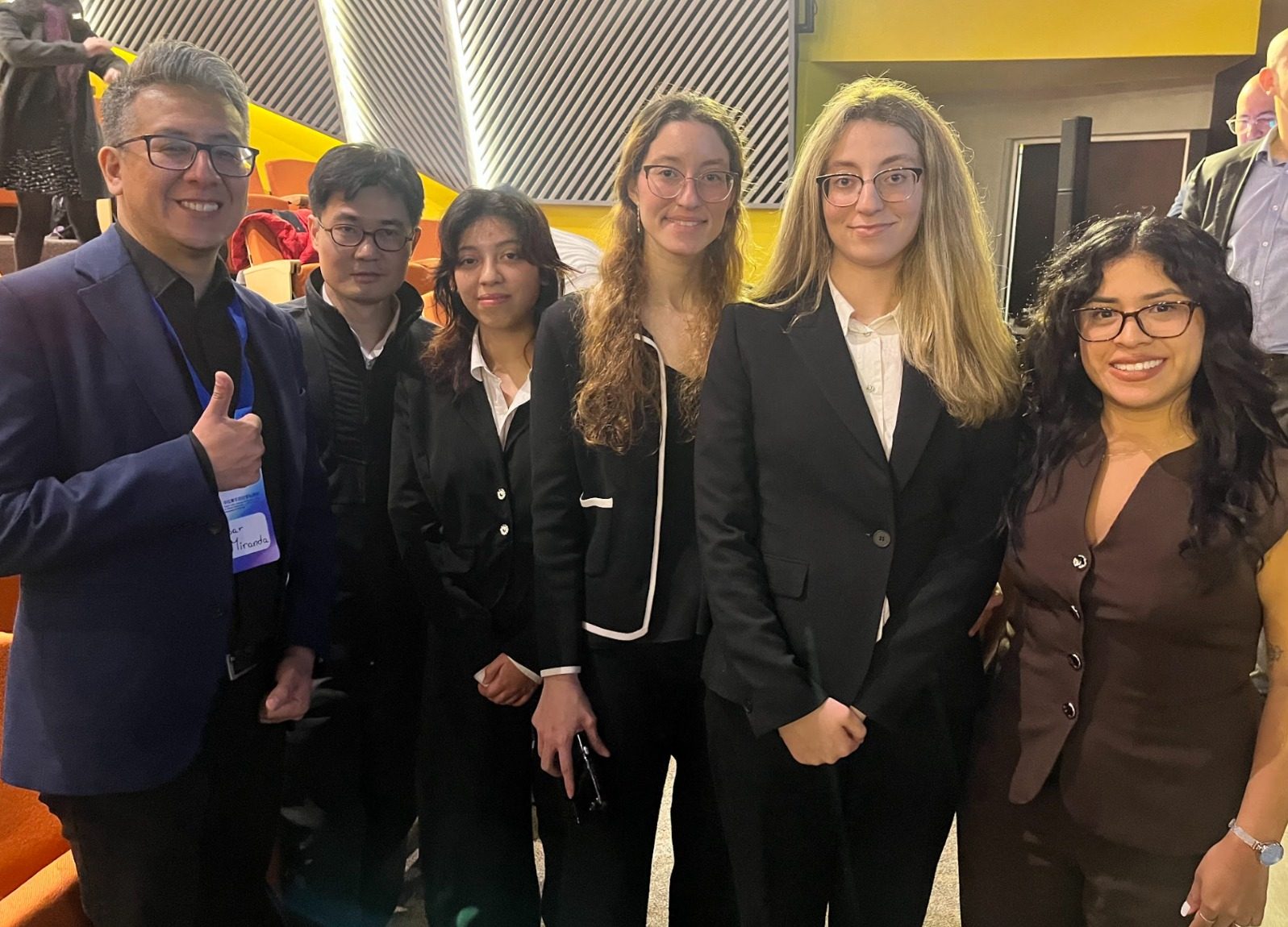
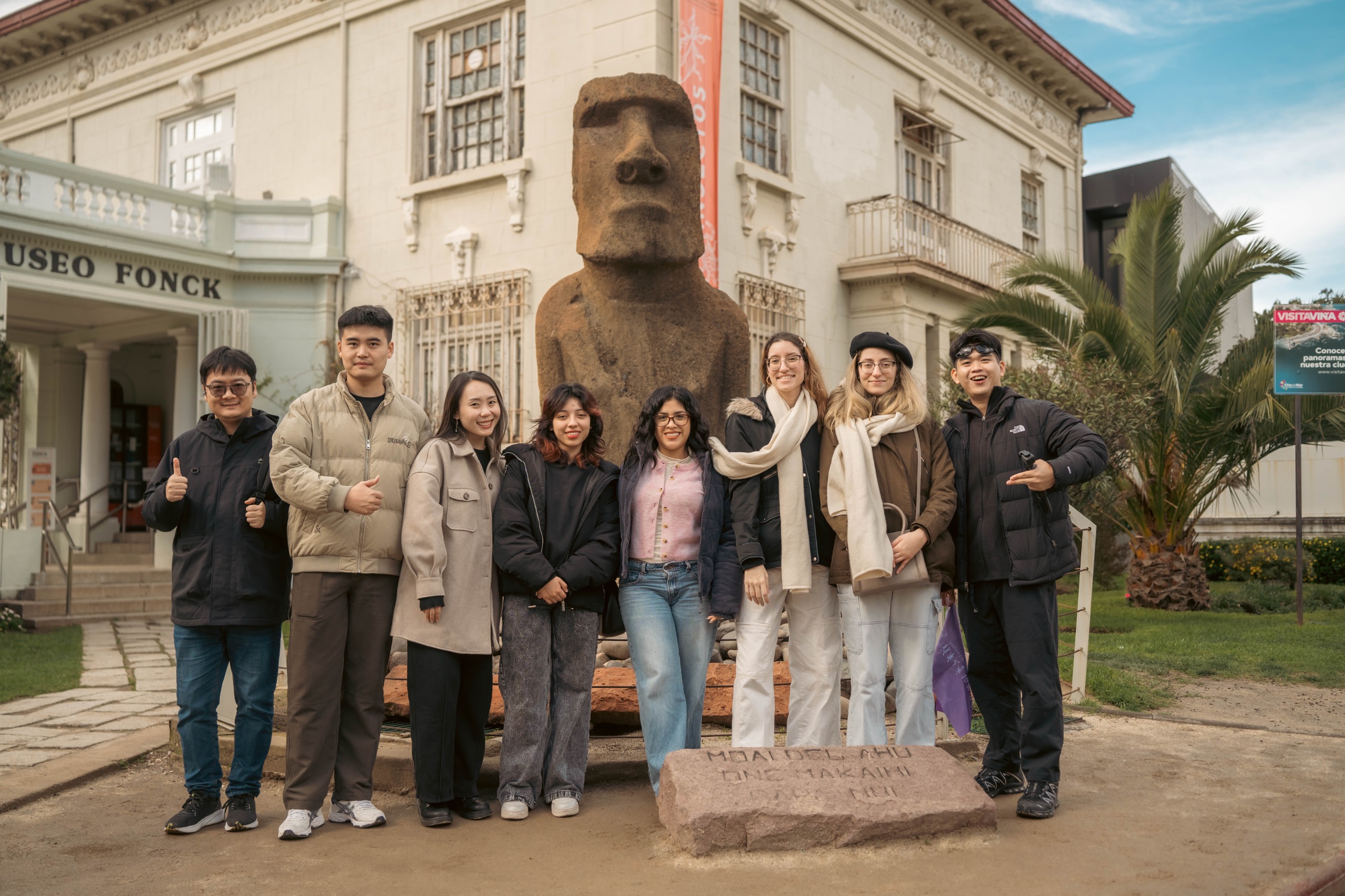
For César Miranda, this experience highlights the value of integrating internationalization, interdisciplinarity, and hands-on learning into university education:


Participating in programs such as the Poverty Alleviation Challenge confirms why these experiences are particularly valuable in the internationalization of higher education: they combine intercultural and interdisciplinary learning, actively engage industry and world-class universities, and encourage students to learn by doing, working toward a clear and contextualized goal while developing solutions with the potential to be implemented in real-world settings.
César Miranda Coordinador de Desarrollo InternacionalAs part of the award, in January 2027, PUCP students from the winning teams will continue developing their proposals through an international experience in China, with their study travel expenses fully funded.
During the internship, they will visit Tsinghua University, take part in field visits, and learn about Chinese companies and institutions working on challenges related to their projects. They will also continue working alongside their international teammates to further develop and strengthen their proposals.
We congratulate our PUCP students on receiving this international recognition. We also reaffirm our commitment to the internationalization of higher education and to creating opportunities for our students to develop solutions to real-world challenges from an interdisciplinary and intercultural perspective.